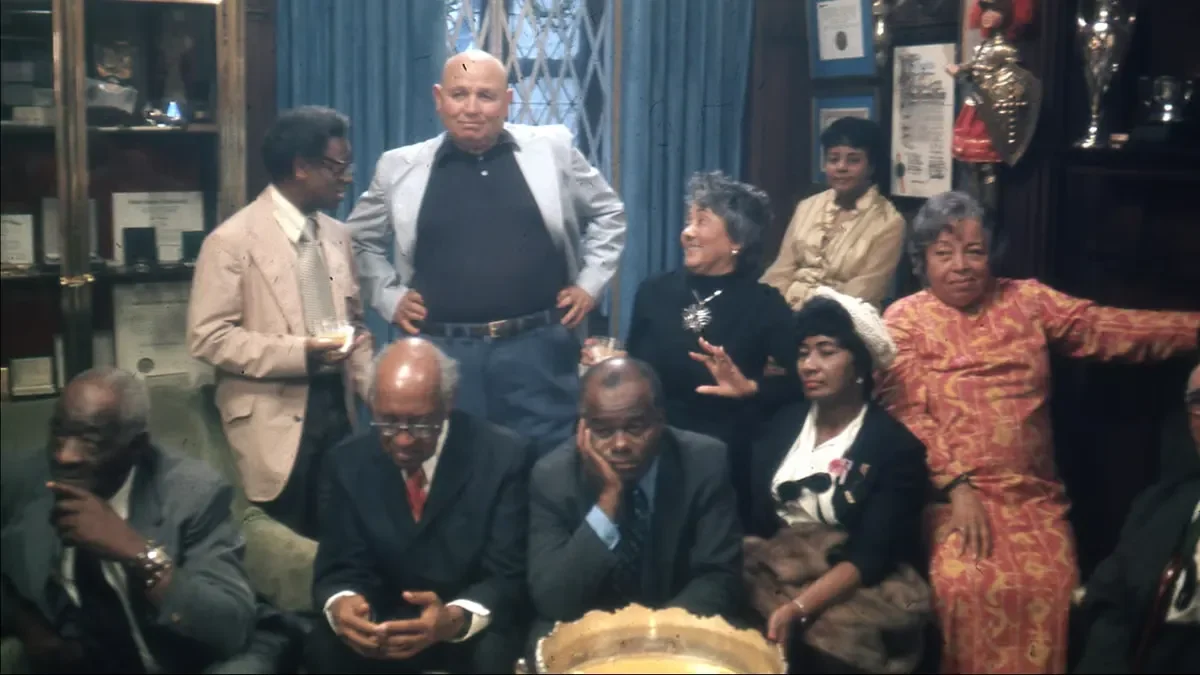
Shot from the film Once Upon a Time in Harlem
This is a violent world I live in, one of brutality I embrace. Violence- the use of physical force to injure, abuse, damage, or destroy- is more than a hand; it is a partner to me. It is a known commodity we live with; some fear it, others enact it, and many see it. Thoughts of violence and acts of violence are just another day, as simple as the yawn every morning and the clasp of eyebrows as the eyes close at night; in this interpretation, they are just the function of things. It is a forced outcome created through circumstance, and it is raised like any son or daughter. Food deserts, over-policing, gerrymandering, lack of housing and necessities, destabilized community, lacking third places, inaccessible or unavailable mental health opportunities, and more than I simultaneously know and do not see is the birth of violence as defined currently. That current is a liar, and I learned of the lie definitions hold while I was young, and I remember thinking of a specific one as I ate pizza at my grandfather’s house. Curry came to mind. Here, curry is an Indian dish: chicken, lamb, beef, or some protein that has spice. In India, if you asked someone for curry, they would look at you perplexed. Curry is a nonsense word through colonial abuse and the dumbing down of a culture; we are given the word, likely taken from Kari, which refers to a specific sauce or gravy. The dishes we classify as “curry” in India have different names depending on the dish; it is not a simple catch-all term, because that lessens the food's importance. From Rogan josh to Balti, that is their “curry,” but that is the point. To strip a people of their culture, their truths, their identity, and their personalities; to lump a vast span of people into one whole for easy counting; and to reduce food that spans many subsets and dishes to one word: “curry.” That is why I reject violence’s definition. Violence, as the state touts it, is a fiction that makes larger and vast what has plummeted and continues to plummet in cities, major and small, since the 90s. Violence is enacted daily through other means; speech and writing come to mind as bearers of reshaping the mantle known as physical. Physicality is missing from both, but to injure, abuse, damage, or destroy is the fulcrum behind the word. Violence is the outcome of the initial premise. Violence uses force to break things down, and we see that breakdown as punishment and vengeance affecting society, but breaking things down to dismantle them is to build again. This is good, I say without confidence. This is good, I whisper, staking the claim amidst the corpses. Good, it must be to strike the eyes abruptly and bequeath blindness, turning them to Damascus, away from Woe. Do not classify it with the end and a learning to love the bomb, but constant percolation against the forehead as you sit in the chair in a bright alley blessed to bear witness to the caving of your skull, all to rebuild each piece of skin and bone a reemergence of the abbey through town cheers as Shangri-La is trussed to the pyre.
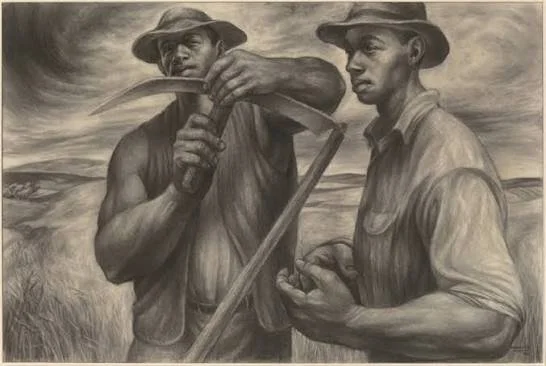
Harvest Talk by Charles White
My grandfather was a consistent man. Always in his chair, smoking, laughing, and stern. A combination I always had trouble with, but one I appreciated. His voice was deep and, at times, unrecognizable, as if the epoch had been given speech, but the older I got, the more I understood him. I was young, and he was laughing as we talked; he told me about himself, a life of hunting and work. He grew up on a farm, and he couldn’t finish school because he needed to help. Hunting, bailing, working crops over and over. In a house built by hand, it needed to be warm and kept up. Day by day, day by day. He told me this after I complained about my life, my journey, and his words in this response were to that boy back then, violent. Violent, that a boy barely older than me knew he would never finish high school because his family needed him; he treated work in the field the same as men row in the sea in search of the ocean outside of their pond, in a world that antagonized him, that I vividly imagine, and more than he told, past his days of construction with the white man. Violence in this sense shattered my idea of the present and my struggle; his world was not so long ago, and my world may be better, but it has much farther to go from a man born to farmers and former sharecroppers who moved to Chicago and then Dayton, Ohio, giving me the chance to be here now. Violence destroys a young boy's notion of himself, calmly, in a world that would try to destroy it eventually if his grandpa didn’t get to it first. This is the violence that I welcome my people commit. Violence that must be good. Good, converted, or unfeigned, I still don’t know.
Violence and this world that births it stand beside homicide. Homicide in recent years is the one that stands in the doorway just out of view, but I see it there waiting to be found. As I stand up to grab its shoulder, I see it for what it is. The FBI’s definition of homicide is described intently and shrewdly. Homicide is: “Murder and nonnegligent manslaughter: the willful (nonnegligent) killing of one human being by another. Deaths caused by negligence, attempts to kill, assaults to kill, suicides, and accidental deaths are excluded. Justifiable homicides are separately defined as: (1) the killing of a felon by a law enforcement officer in the line of duty; or (2) the killing of a felon, during the commission of a felony, by a private citizen. b.) Manslaughter by negligence: the killing of another person through gross negligence. Deaths of persons due to their own negligence, accidental deaths not resulting from gross negligence, and traffic fatalities are not included in the category manslaughter by negligence.” Homicide rate is then defined as a function of two things: the number of people being shot and how quickly you get to the hospital, specifically a level one trauma center, and how good its care is. Let’s say you live an hour away from the city and you are shot; that means it takes two hours for you to reach the hospital, in the kindest telling, with the modest gunshot wound you would die. The golden hour hangs above you, but this all depends on whether you are shot in the right place, and even then we see that if shot in a more critical area you will die much sooner. If you live close to a trauma center, and you are shot and saved, homicide turns to aggravated assault. Aggravated assault and homicide are defined by the span of minutes. Minutes that lower socioeconomic communities are not afforded. Cities such as Los Angeles and Chicago find themselves in trauma deserts; even though they are larger and hold more resources, the trauma centers that are built to be seen as a solution are within thirty minutes of another level one trauma center. Trauma centers may increase in quantity, but the population that needs access and needs them in their proximity does not. This fixed geographic inequality explains the increase in homicides in poorer communities. These words and their definitions are interesting turns of phrase, all used, determined, and defined to fit into a structure. A nice reverie for an audience as sullen as the anorexic’s invocation toward the still cloud for food, accepting the consolation of a monologue.
What makes a good doctor in this violent world? In a world so loosely defined, what determines whether I am worthy to consider myself good? What tells others that I am good? If I stay here, if I treat all of those men and women who come into my hospital as they die during an operation and die in my hands, can I be a good doctor? The victim lived too far away, and my hospital is understaffed and underfunded. Am I a good doctor for staying and helping those who need it most, even though they’ll never get the real help they need? What good is staying when failure is part of the definition? Am I good because I want to help them, or is good only ascribed to me as saving lives? As I walk down the halls after another failed surgery, another homicide, and another family in tears and angry with me through a failure I take the burden of, and the castle waves by with a smile in the window, I wonder. I wonder if I left this town, if I left this city and took the job at the other trauma center. Suppose I had taken the money and gone somewhere with all the resources I needed to provide the care. Every homicide averted as families cry and congratulate me for saving their boy or girl. I think about that as I wash my hands; the mirror looks at me with the furies’ abhorrence, eyes sunken and red, the color poured like molasses to fill my eyes tirelessly day and night. Would I feel the same if I were at the other hospital, the other trauma center, where I am a good doctor, and at some point I may be great, when I achieve a record number of lives saved, and I’m touted as an expert in my field? All because I was a little closer; I am near the pats on the back and the smiles. Far away, I hide from the screams and scowls. As I look into the mirror, I ask them behind it, why did I choose a violent world where I cannot be good? They never responded, or at least I never heard them. Maybe I missed it as the nurse came to get me as another patient came in.
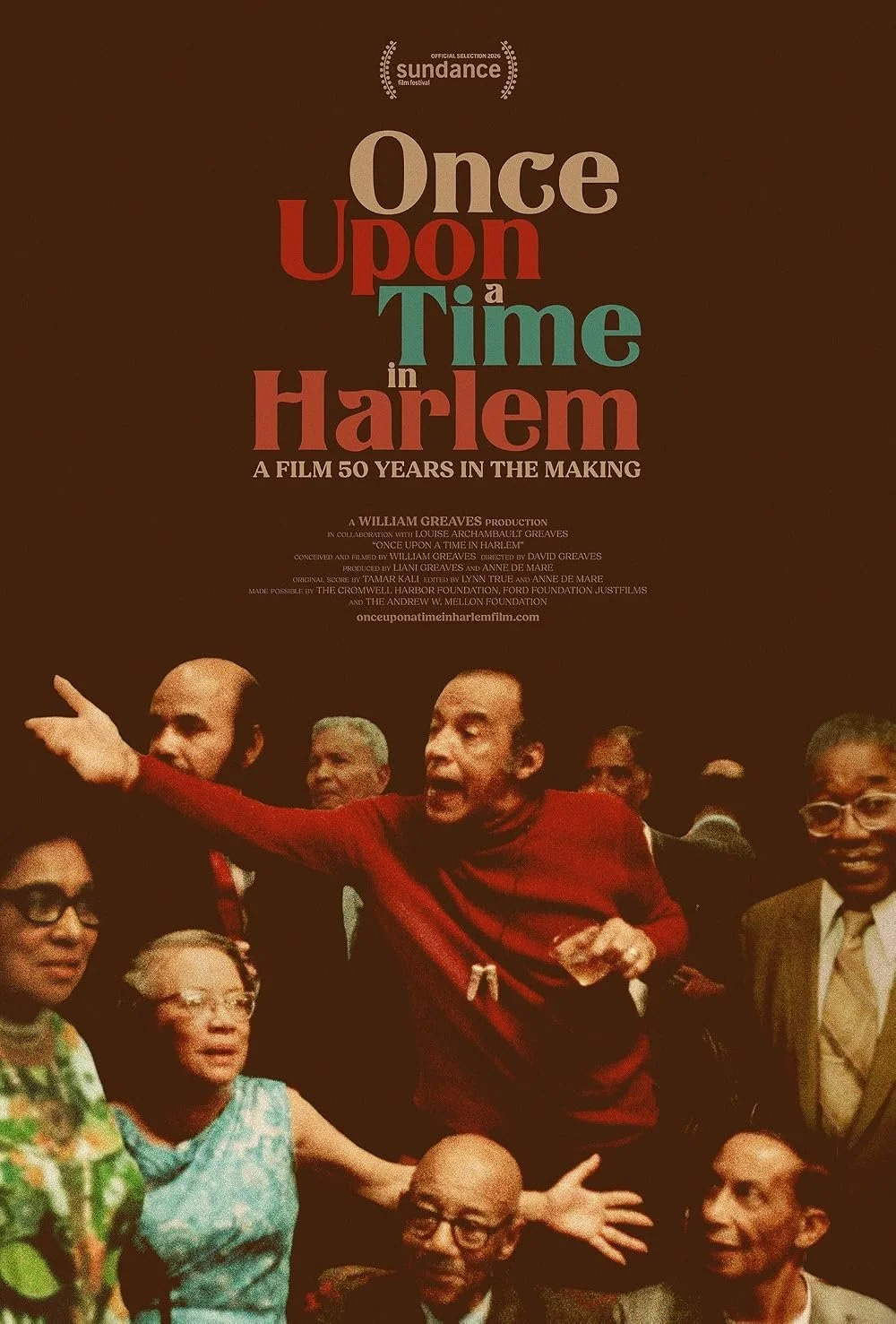
Once Upon a Time in Harlem
This idea of good swept over me as I watched the film Once Upon a Time in Harlem. An exquisite film that captures a 1972 gathering of surviving Harlem Renaissance luminaries at Duke Ellington's New York townhouse. It felt like those days with grandpa, as he told me about his life, his siblings, and family members, people I didn't know existed until he spoke their names; time had made their stories extinct. So many great figures, from Liegh Whipper and George Schuyler to Eubie Banks and Aaron Douglas. It felt like sitting at a family reunion with all my elders around, and I listened, not daring to speak out of turn for fear of being reprimanded, but taking it all in. They didn't just end extinction in every sentence; they brought life to the future. What it was for them, what is now, and what it can be. The people they lost, and those they loved and wronged. To the old runs and jokes they tell. Times that rival saving the world, and times I ask myself whether I can give to a young girl or boy when I take that seat, and they listen to me. As these giants argued and laughed, they spoke of how to push the movement forward, black liberation into the futures they dreamed of; barely any of them agreed. Still, they argued with care, their resilience and illumination a slow drip that dangled from each word, because, with all the paths they took, they knew each led in the right direction. Gerri Major stood out most because of one thing she said. She did not consider herself a good writer. She wrote what was needed and didn't write anything she saw as useless. This is a form that goes beyond deliberate; it is to write the enlightenment and obscure any words that could hurt, even ones that bear truth. Since I saw the film on every walk each day, and between every lift of my foot as I set it down, it has stuck with me. I understand her importance and focus on writing for the movement of Black liberation and the people housed within it. Is a good writer not allowed to be this? Sure, you are good, as it is defined as a favorable character or tendency of a high or desired quality. I am good, aren’t I? This is good, isn’t it? What they did, those who I know now, and I flog myself if I dare to forget all they suffered and moved forward, to enfold anguish and movement as they faced violence; it has no moniker of good or bad, great or indifferent. I assumed they saw change like the seasons. Rainy season, snow, even the bites of mosquitoes in the summer do not come in slowly like a faucet’s drip. As they walk down each path, their way and others, they feel tired, and they understand that preparation, focus, deliberate effort, and interaction with the world and one another are what rebukes good. Change appears suddenly after a long time of preparation; it will come, as with all things, as long as someone takes the infinite amount of steps toward the ceaseless dream in full tilt.
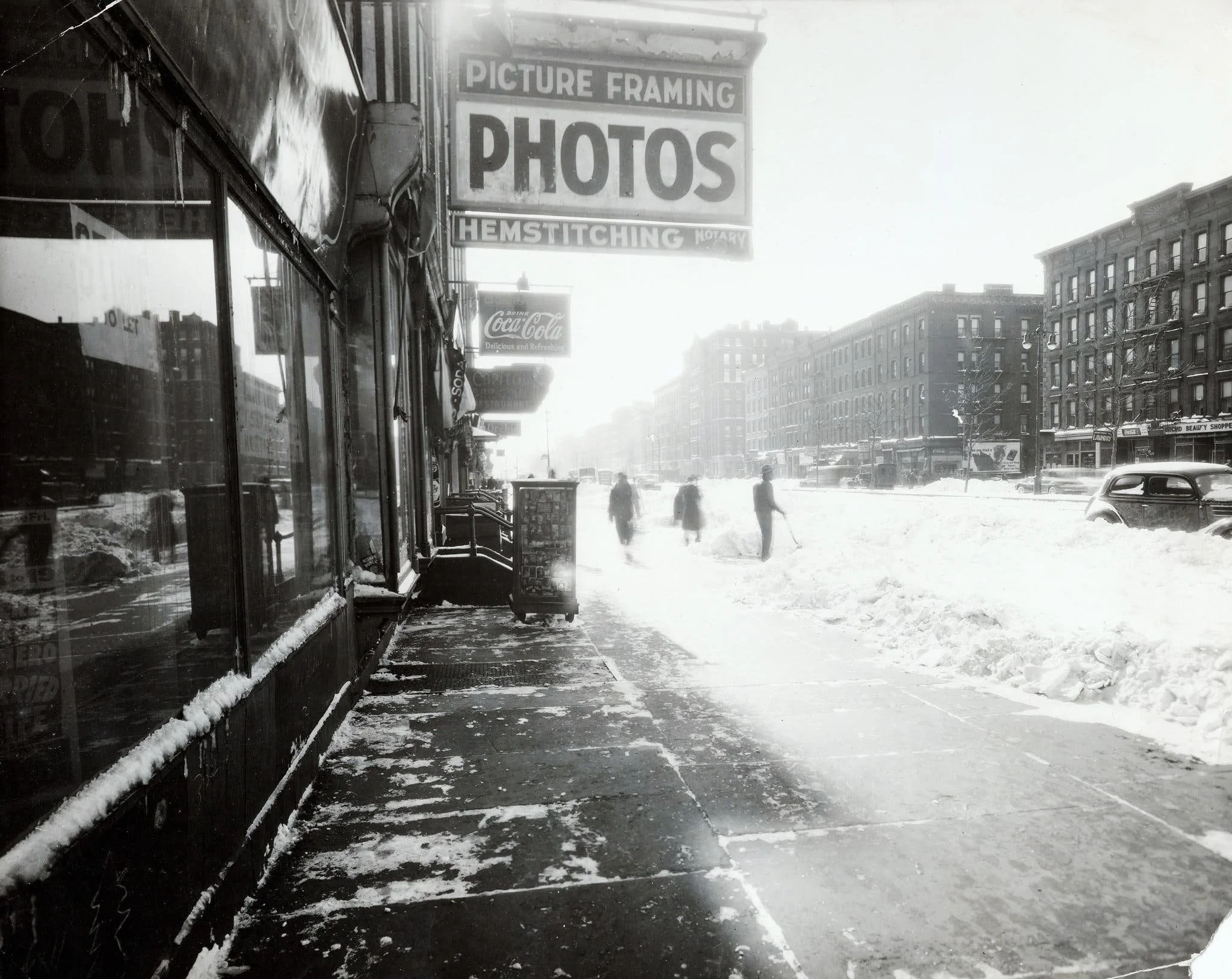
Harlem Streets after a Snowstorm by James Van Der Zee
I take my small shovel, and I walk down the path in a snowstorm. It’s clear for a bit, but farther along the snow is still there. As I walk, I can’t help but ask myself: am I good? Is that even something I want to be? Violent always, but good now that I see it this way is it something I want to be? I’m not sure. As a writer, as an artist, good is creating exquisite work that challenges and pushes forward—enacting the change and achievement I want to see. It’s more than good; it is immeasurable, like the spire still in pursuit of ascension. If it is not good, what is it? By leaving out topics about people or focusing on others, is that what a good writer does? Does a good writer encounter all things and tackle them or only those that fit his purpose? As I continue to walk, I pass my grandpa, and he tells me more stories about hunting and swans deflecting bullets when he hunted with She. I pass other figures who look familiar but whose names I don't know, silhouettes sitting on the floor. I passed James Van Der Zee, seeing the beauty in his photography and the stories of the people in it as they shouted to me. Finally, I met Gerri Major again, and she said the same thing she said in the film: she is not a good writer. I walked a little further, attacked and hurt, feeling broken, and thought of Nina Simone. “An artist's duty, as far as I'm concerned, is to reflect the times. I think that is true of painters, sculptors, poets, musicians. As far as I'm concerned, it's their choice.” As the road grew longer, I stopped to rest and sat with that for a while; I sat with my time, with a peace inside it, filled with violence I had shuttered and hoped to see.
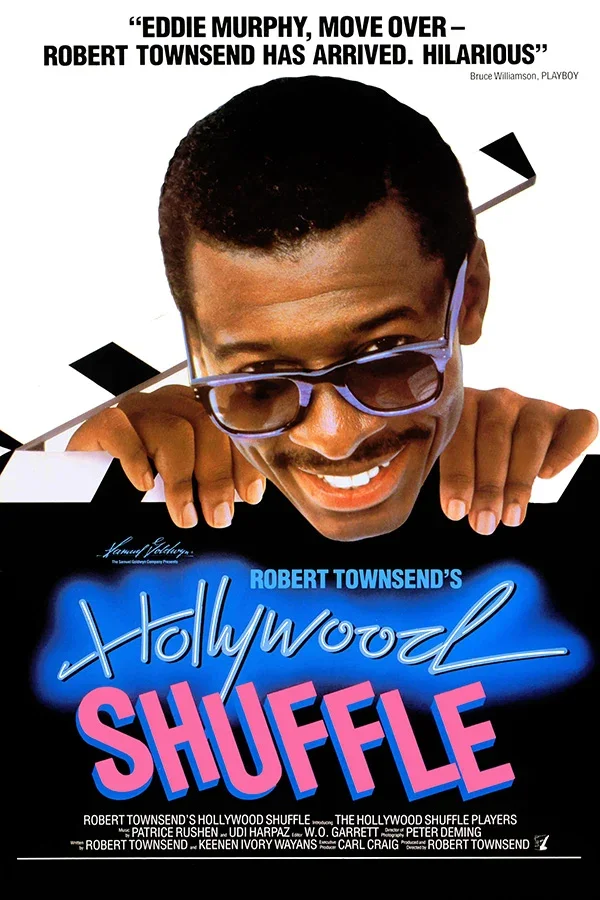
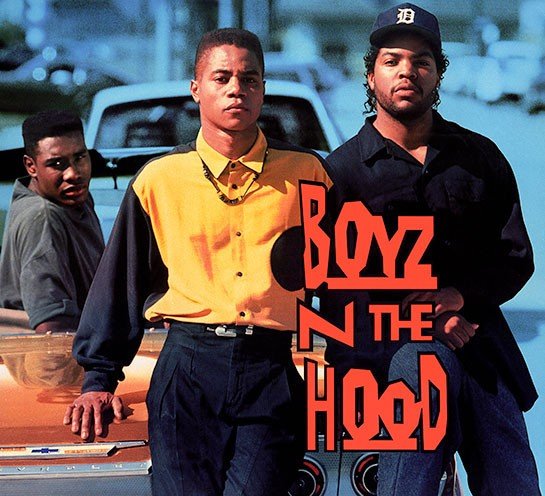
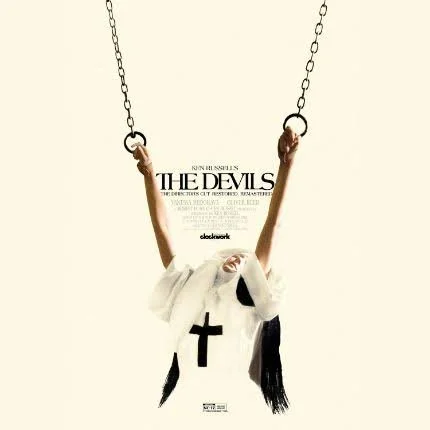
I keep walking and think back to these definitions disguised as meaning, but really as rules of engagement. I understand how these rules, these determinants, were concocted without a clear point, just preference, to fit a system they wanted to see. Henry Alford's A Plea for the Queen’s English, which speaks to the wrongness of split infinitives. An act that had existed in English for a long while stopped because of one man’s disdain. Is this a good thing? Is this an artist of their time? I ask myself, what is good? Am I good? Is this good? But I am good. My prose is good; my metaphors are good; my analysis is good; my points, my views, the totality of the being that makes up this piece before, after, and in the future, when he sees it as poor as he becomes better, is good. More than good, I find it is a symbolic manifestation of the mount; the choice to be marooned at the zenith. What's the point of trying if the attempt isn't to be good, to be better, to be the best, to be good? In this journey, this pursuit towards somewhere, I must be on the path to reach that conclusion, that destination that alludes me. The endpoint that actualizes me. For good is the only event, the good that I see fit as my recompense in this life filled with chaff as I crawl out of the hole I was buried alive in. Then I turn, and I remember that good is a weapon, a tool meant to work in tandem, another element of control, a reconfigured violent delight. Good isn’t a broken word; it's a word working exactly as it is supposed to. It is meant to steer you toward what you are supposed to see as right; under the system and under the circumstances, a doctor who couldn’t save lives is much worse than one who does, and he is good; he is right in all accounts. So ask yourself, ask of it truly, what is good to you? I swore, and still swear, that it means something; it holds weight, that title, and, above all that, seen as apotheosis, it falls to the lands like shadows, but day by day I acquiesce to the hubris of that pursuit. At some point I sit down and ask myself, why do I do this? I do it for the love, yes, but why this? Why was I brought here, put here to do this, to write, to tell a story, to bring to light and enhance? Is this what I was meant to do? Is this what I'm supposed to do? When the thought comes to mind, I am reminded of a boy who watched Hollywood Shuffle. For all the love and beautiful moments, I understand that fame and success aren't worth the cost of your dignity, or of being an embarrassment to the man you claim to be. Why give all that up when there is work at the post office? I remember Boyz n the Hood and am reminded of life in a violent world, and a world that works perfectly fine amplifies the violence it wishes and suffocates the violence that it doesn’t want anyone to see; that is why his brother wasn’t thought about, wasn’t on TV. The Devils haunts me. Abuse of power, both state and religious, for petty conquest and differentiation, havoc and wanton propaganda and deception used to bring down a city's walls, shows that the system, at its best, is that the weak suffer what they must and the strong do as they will. I remember Things Fall Apart, the first book in school that I ever read that I ever enjoyed that ever touched and haunted me of conquest and imperialism and the supplication and coercion used to destroy a people, not giving them a chapter or even a paragraph, simply a sentence in a book. I was gifted with this; God gave it to me to help, so I must use it. I cannot create peace in our time, but I can do this. Guided by my will, I will actualize this medium and, as an artist, reach toward and create something that rivals the ascent itself in reverence. Everything else would be listening to an entity that wants nothing more than to make me turn away. In the struggle, in the fire, it asks me to come to its light, chilled in the last layer, flapped by immense wings. It asks me to let go. To imagine, later down the road, what could have been. Then I see that this path, this good, is the only role I was born for, cast in at birth; this is the only real choice for me. The only good that I care to achieve and associate with is for the people, for my people. That good, the violent good, most likely won’t receive love or recognition; no one will hold it or treat it with respect. My words are tools that my violence uses for those I hold dear, I wish to be with, I was to be the carrier of. If I didn’t, what use would my grandfather’s violence and the violence used on him have had? So I am not a good writer, a good storyteller. I will not tell all the stories or the big ones. But the stories that need telling, the writing that needs releasing. For the word good, as good as it may be seen, is only good, and as words are, and as their goods shift. The next time I hear that I was good, I’ll be excited; I will feel proud, but that wave will hit me as it crashes my cliff face, and I will wonder: is that who I want my good to be for? When I hear that turn of phrase, can I be the assassin who overcame the final defense? I have to grab myself and ask the question, then state the phrase: No, no good, just violence. In this, I question whether this is violence chosen or obeyed; I ask later if it matters.